
Reflections on Labour Party Conference 2026
1 Oct, 2026
Leaving Liverpool bleary-eyed and tired, but hopeful, after another hectic few days at Labour Party Conference.
The mood on the Mersey at the start of this week was apprehensive, with many arriving unsure what Burnham’s Britain would look like in practice. It’s fair to say Burnham has put many such questions to bed.
The PM has promised a social care reform we can be proud of: a National Care Service, offering free personal care for older people built on the principles of the NHS. Homes that prioritise the health of the people living in them. A heady commitment to reindustrialisation. And the lifting of a decades old ban on public ownership of water.
Some are asking how these promises will be realised: whether they’ll survive the scrutiny of the Green Book is a question for tomorrow. But few can deny Burnham's passion for change.
Two of Burnham’s promises feel crucial for an ageing society, and how this agenda will be judged by generations to come.
First, the PM called for an end to homes that harm the health of the people inside them. Landlords that have bought up council houses and now charge extortionate rents on poorly maintained properties will be brought to heel. On paper, this policy looks shaped to lift younger people out of a housing crisis that forces them into HMOs charging half their salaries for a converted dining room and a shared kitchen. But, if the government is to take a truly life-course approach to its housing reform, we could see a cross-generational increase in living standards.
English Housing Survey data shows 3.9 million older households are sitting in homes with two or more spare bedrooms. Many of these residents say they want to downsize (or ‘rightsize’ as ILC puts it) but remain due to a lack of options. What this creates is a locked up housing stock, family homes that could come back onto the market for younger households, and older people trapped in properties that no longer fit their needs – too big, too difficult to adapt, too expensive to maintain, and often actively harmful to their health.
Fixing this means building retirement housing people actually want to move into: homes that let people stay near the communities, friends, families, and networks they’ve built, and are affordable across the income spectrum. If we can get this right, we will begin to close the gap between the parts of the country where decent retirement housing exists for the wealthy, and those where remaining in place means poorer health and empty homes.
Second, perhaps Burnham’s boldest move: trading the triple lock for a National Care Service. The narrative is a good one, a step away from the more recent cuts for the greater good with no obvious trade off, but to win this narrative we must look to where the current care system lets pensioners down in times of need.
At present, anyone with savings or assets above £23,250 – inclusive of pension income – pays the full cost of their own care, left with a Personal Expenses Allowance of just £30.65 a week to live on. With three in four of us facing social care costs at some point in our lives, and one in seven of us experiencing catastrophic costs that wipe out savings and force the sale of homes, the trade off of the triple lock for social care provision could well see pensioners better off in the long term. Free home care at the point of use could allow pensioners to retain their income, their independence, and their health – in a move many countries have already undertaken, as told in ILC’s Home Truths report. Through its preventative health impacts and influence on the unpaid care burden this commitment is inherently tied to Burnham’s regional growth priorities. Forthcoming research from ILC explores the spatial disparities in the demand for, and supply of, social care relative to ILC’s Better Lives Index. Equalising access to social care across places could see improved regional health and employment outcomes.
Burnham’s rallying cry to conference was to get behind this vision. At ILC, we want to make sure this vision delivers for all ages. It must prepare for an ageing population, deliver housing that serves the shifts in demography we haven’t yet grappled with, and create a settlement with older people that keeps them out of poverty and provides dignity and independence in later years.
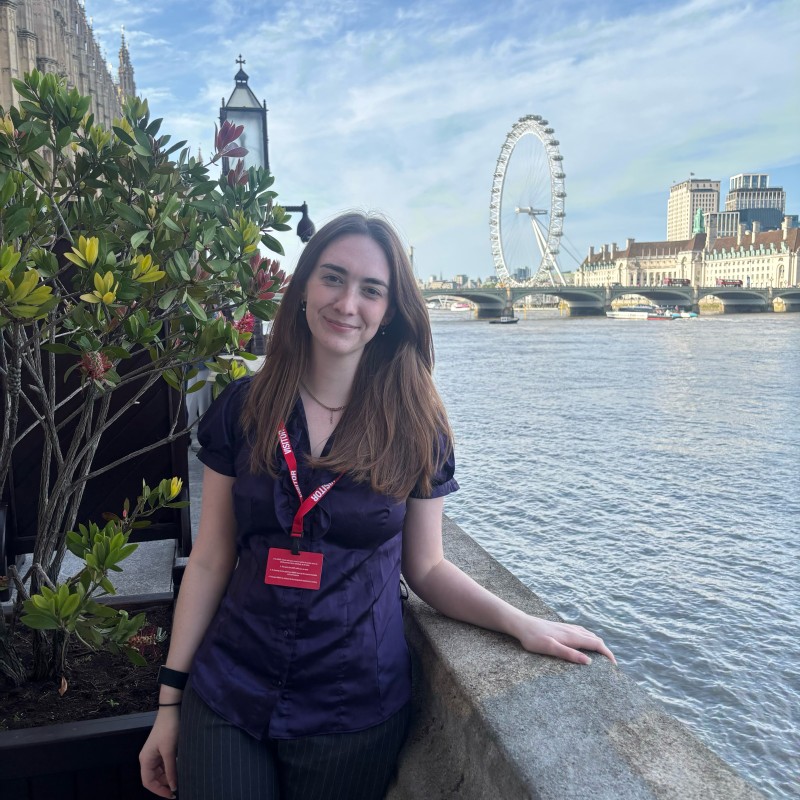
Molly Townsend
Research and Policy Officer
Molly has spent six years working with charities, NGOs, and research bodies in public affairs, policy, and research.
Molly previously worked as a member of the secretariat on the Independent Commission on Neighbourhoods, building policy recommendations and communicating the commission’s findings. The commission was set up by Baroness Hilary Armstrong to investigate the state of neighbourhoods across England.
Molly has experience with charities and NGOs, previously working with Advocates for International Development and Creative Youth Network. Molly also volunteers for Conversation Over Borders, mentoring asylum seekers and refugees new to the UK.
Molly holds an MSc in International Relations from the University of Bristol and a BA (Hons) in English Literature from the University of Plymouth.